
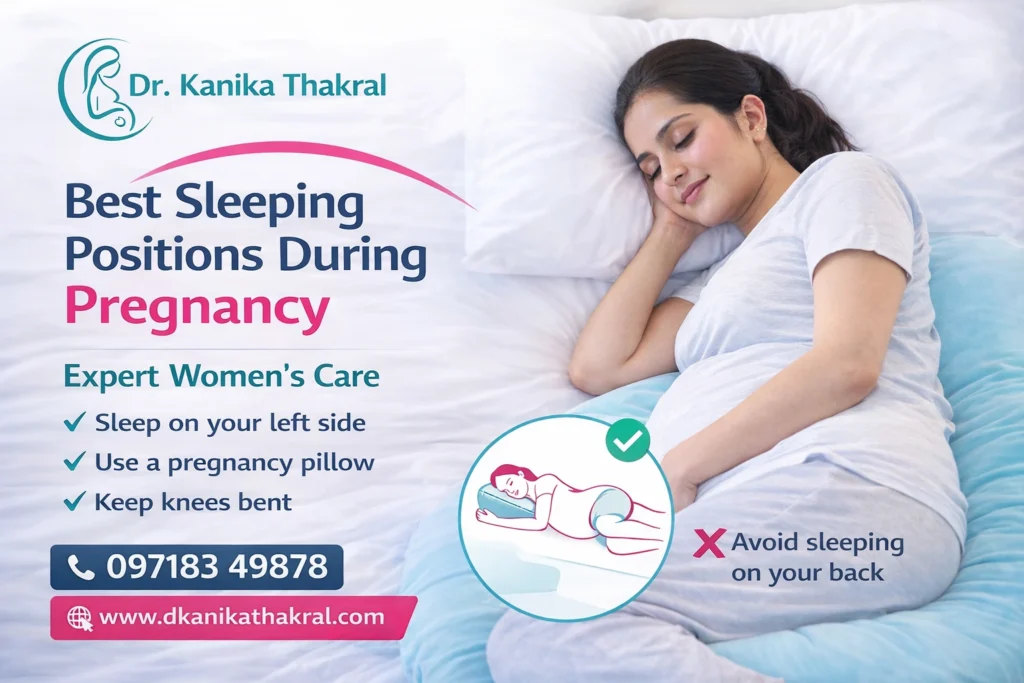
Best Sleeping Positions During Pregnancy
Pregnancy is a beautiful journey, but let’s be honest—getting a good night’s sleep can become quite a challenge, especially as your body changes. From frequent bathroom visits to back pain and the discomfort of a growing belly, many women find themselves tossing and turning at night.
This is why understanding the Best Sleeping Positions During Pregnancy becomes so important. The way you sleep not only affects your comfort but also plays a key role in supporting your baby’s health and development.
The good news? With the right sleeping positions and a few simple adjustments, you can enjoy better rest and feel more relaxed throughout your pregnancy.
Let’s explore the safest and most comfortable ways to sleep during this special time.
Why Sleeping Position Matters During Pregnancy
As your pregnancy progresses, your body undergoes several physical and hormonal changes. Sleeping positions that once felt comfortable may no longer be suitable.
Certain positions can:
- Improve blood circulation to the baby
- Reduce back and body pain
- Help prevent swelling
- Improve sleep quality
On the other hand, some positions can put pressure on blood vessels and organs, leading to discomfort or reduced circulation.
Best Sleeping Positions During Pregnancy
Sleeping on Your Left Side (SOS – Sleep on Side)
This is considered the best and safest sleeping position during pregnancy.
Why it’s recommended:
- Improves blood flow to the placenta
- Helps kidneys function better
- Reduces swelling in feet and hands
- Supports optimal oxygen supply to the baby
Tip: Bend your knees slightly and place a pillow between them for added comfort.
Side Sleeping with Pillow Support
If staying on your left side all night feels difficult, don’t worry. The key is to stay on your side (left is best, right is also okay).
You can use:
- A pillow under your belly
- A pillow behind your back
- A pregnancy pillow for full support
This helps reduce pressure on your hips and lower back.
Semi-Reclined Position (For Specific Discomforts)
If you’re dealing with:
- Heartburn
- Breathing difficulty
- Severe back pain
Sleeping in a slightly elevated or semi-reclined position can help.
Use extra pillows to support your upper body.
Sleeping Positions to Avoid
Sleeping on Your Back
After the first trimester, sleeping flat on your back is not recommended.
Why to avoid:
- It puts pressure on a major vein (vena cava)
- Can reduce blood flow to the baby
- May cause dizziness, low blood pressure, or back pain
Sleeping on Your Stomach
As your belly grows, this position naturally becomes uncomfortable and impractical. It’s best to avoid it altogether.
Common Sleep Problems During Pregnancy
Even with the right position, you may still face sleep challenges like:
- Frequent urination
- Leg cramps
- Heartburn
- Anxiety or stress
These are normal but manageable with small adjustments in routine.
Tips for Better Sleep During Pregnancy
Here are some simple, practical tips that can help:
- Stick to a regular sleep schedule
- Avoid heavy meals before bedtime
- Limit caffeine intake
- Stay hydrated, but reduce fluids before sleep
- Practice relaxation techniques like deep breathing
- Keep your bedroom comfortable and cool
Expert Care for a Healthy Pregnancy
Every pregnancy is unique, and so are your comfort needs. If you’re struggling with sleep or any pregnancy-related concerns, professional guidance can make a big difference.
At Dr Kanika Thakral’s Clinic, we provide personalized care and support throughout your pregnancy journey—from early stages to delivery. Our focus is to ensure both mother and baby remain healthy and comfortable.
Final Thoughts
Sleep during pregnancy may not always be easy, but small changes can make a big difference. Choosing the right sleeping position, using proper support, and maintaining a healthy routine can help you feel more comfortable and rested.
If you’re finding it difficult to sleep or feeling constant discomfort, don’t ignore it. Listening to your body and seeking timely advice can ensure a smoother and healthier pregnancy journey for both you and your baby.
FAQs
1. Can I sleep on my right side during pregnancy?
Yes, sleeping on the right side is safe, but the left side is considered more beneficial for blood flow.
2. Is it dangerous to sleep on my back accidentally?
If you wake up on your back occasionally, don’t worry. Just turn to your side again.
3. When should I stop sleeping on my back?
It’s best to avoid sleeping on your back after the first trimester.
4. Are pregnancy pillows necessary?
They are not mandatory but can significantly improve comfort and support.
5. Why is sleep so difficult during pregnancy?
Hormonal changes, physical discomfort, and anxiety are common reasons for sleep disturbances.
